
The thrill of risk and reward
The fundamental attraction of casino games lies in the thrill of risk-taking. Players are often drawn to the potential rewards that accompany gambling, which can create a euphoric experience. The excitement of wagering money on uncertain outcomes triggers adrenaline and dopamine release in the brain, fostering a sense of exhilaration that is hard to replicate in other activities. Many people also enjoy exploring online poker as a thrilling option that expands their gaming experience.
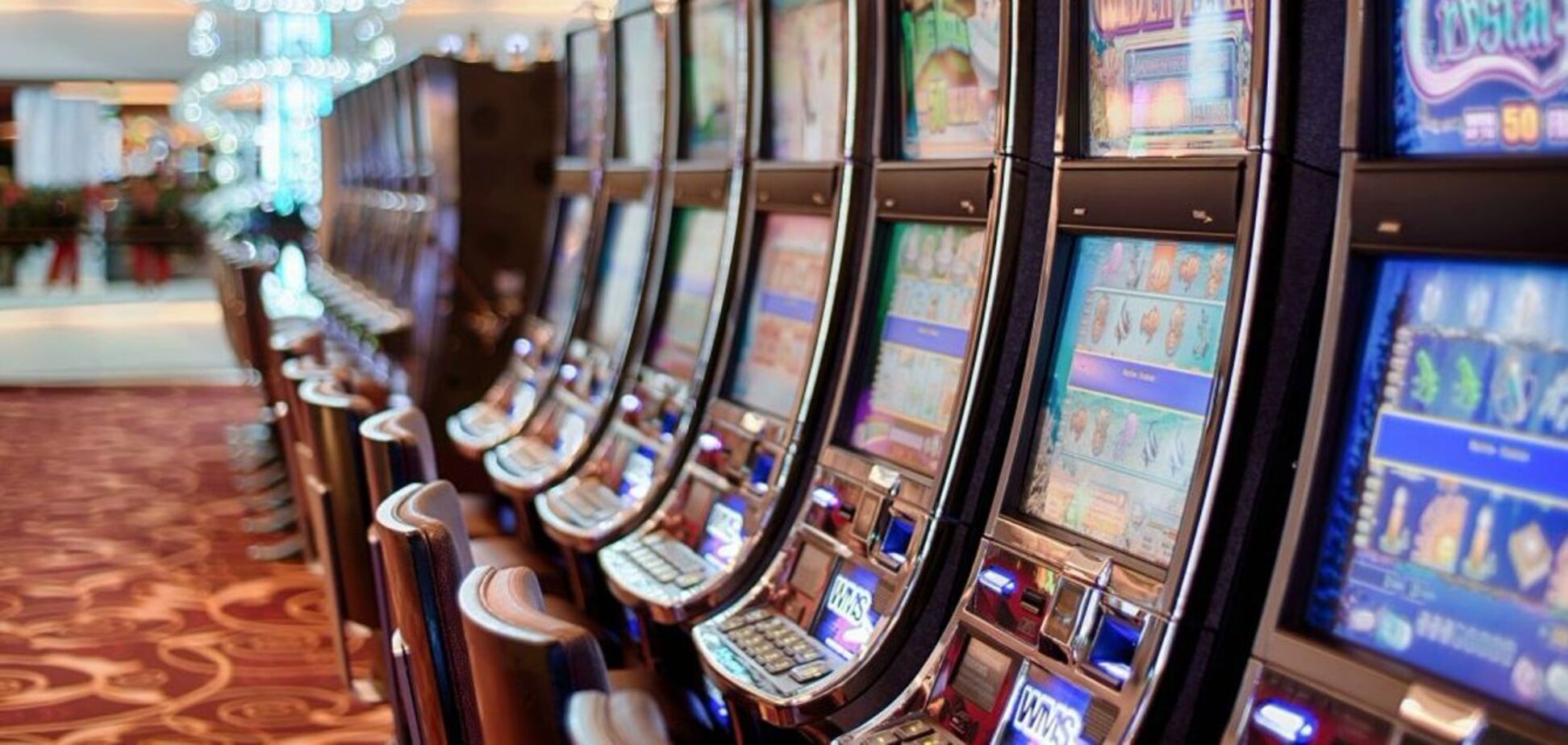
This combination of risk and reward can create a compelling desire to play again. Players may feel a rush as they place bets, and even when they lose, the anticipation of future wins can be enough to keep them coming back for more. This psychological cycle can be both intoxicating and potent, as it encourages repeated engagement with the games.
The role of near-misses
Another psychological factor that contributes to the allure of casino games is the phenomenon of near-misses. Players frequently experience moments where they come close to winning, which can create feelings of hope and motivation. Near-misses activate the same reward pathways in the brain as actual wins, often leading players to interpret these close calls as a sign that they are on the verge of a significant victory.
This tendency to overemphasize near-misses can be misleading, as it may encourage players to continue gambling in pursuit of that elusive win. The brain’s response to these experiences can heighten the engagement level, drawing players back to the casino for the thrill of potentially overcoming those near-misses and achieving a full victory.
The social aspect of gaming
Casino games are not just solitary activities; they often foster a social environment that can enhance player enjoyment. The interaction with fellow players and dealers creates a communal atmosphere that can be incredibly appealing. Humans are inherently social beings, and the thrill of sharing experiences, whether it’s the excitement of a win or the camaraderie of loss, can reinforce the desire to return to the casino.
This social component can also lead to the development of friendships and bonds over shared interests in gaming. Players might find themselves drawn not just to the games themselves but also to the social connections they form within the casino environment, further enhancing the psychological urge to engage in gambling regularly.
The impact of marketing and rewards
Effective marketing strategies and rewards programs significantly shape players’ experiences and motivations. Casinos often employ various incentives, such as loyalty programs, promotions, and bonuses, which trigger a sense of entitlement among players. The prospect of earning rewards can be a powerful motivator, encouraging players to return in hopes of reaping the benefits of their loyalty.
Additionally, casinos utilize enticing visuals, sounds, and themes to create a stimulating environment that further captivates players. These elements are carefully designed to elicit emotional responses and maintain engagement. This combination of psychological incentives and effective marketing ensures that players feel valued and excited, significantly contributing to their repeated visits.

Supporting our community through responsible gaming
At our website, we are committed to providing valuable resources and support for individuals and families affected by gambling. Understanding the psychology behind casino games can empower players to make informed decisions regarding their gambling habits. We aim to foster a culture of responsible gaming, promoting awareness of the potential risks associated with excessive gambling.
We encourage users to explore our resources, connect with support networks, and engage in responsible practices that prioritize mental health and well-being. By honoring and supporting those in our community, we strive to create an environment where individuals can enjoy gaming responsibly, ensuring that the thrill remains a source of entertainment rather than a burden.

Recent Comments